







Iran to Establish Payments for Vessels in Strait of Hormuz
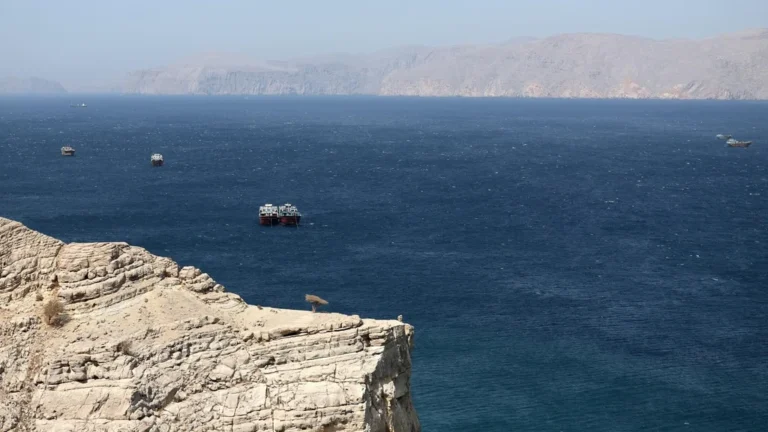
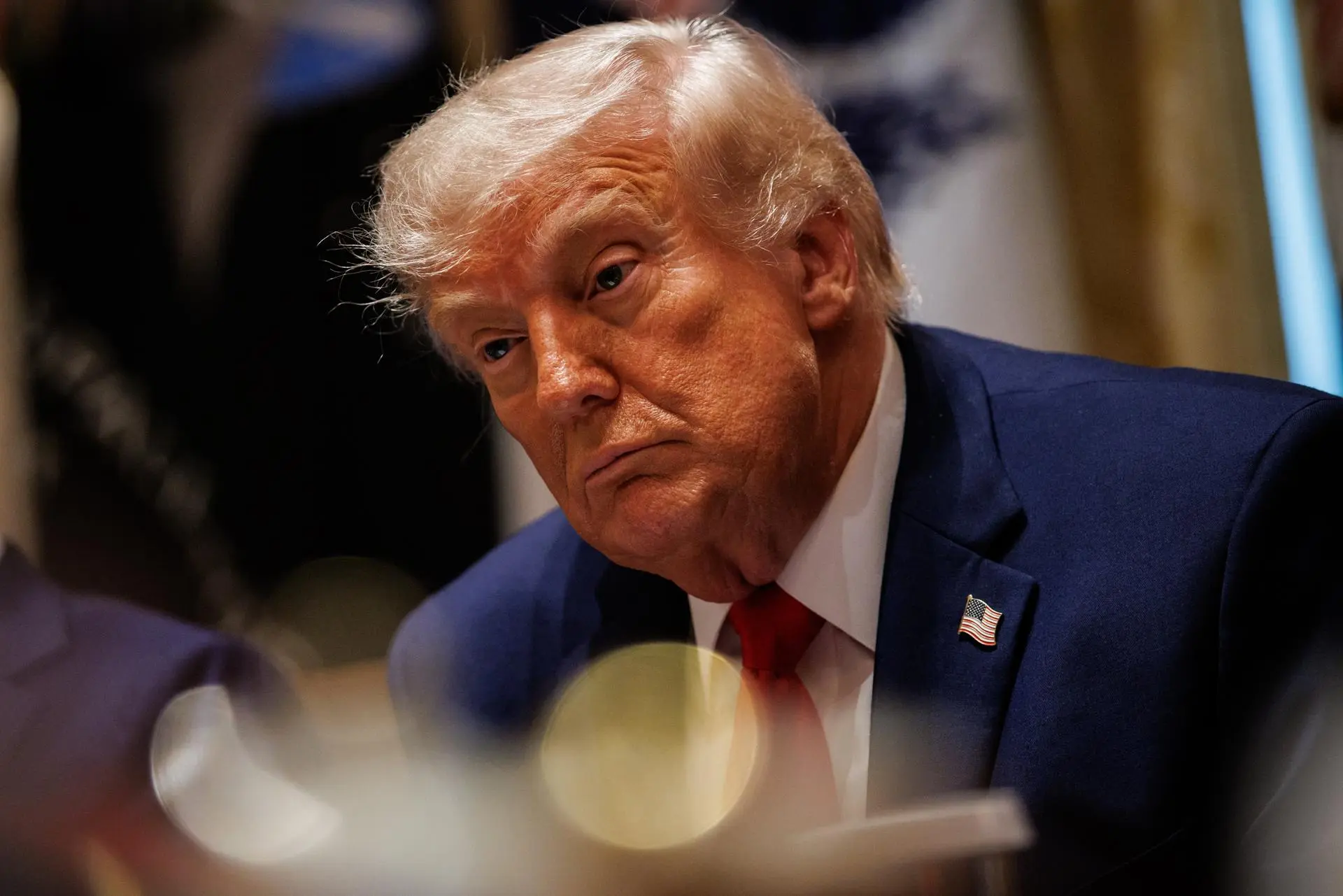
Amid the blockade and its significantly impacts, U.S. President Trump had proposed forming a naval escort coalition, but the North Atlantic Treaty Organization (NATO) unequivocally rejected that. Photo: EFE.
March 30, 2026 Hour: 7:02 pm
🔗 Comparte este artículo
Iran reaffirms that the Strait remains open to allied nations, but that oil for aggressor States or their satellites will pass through there.
Iran’s Parliament will soon pass a law establishing mandatory payments for vessels transiting the Strait of Hormuz, asserting full control and explicitly blocking oil for aggressor states following a U.S.-Israeli military campaign that caused over 1,500 Iranian killed and thousands more sustaining injuries since the attacks on February 28.
This move aims to finance security and service costs while enforcing maritime restrictions against hostile nations.
Iran’s Parliament is poised to approve a law that will institute a mandatory payment system for all vessels traversing the strategic Strait of Hormuz, confirmed by Alaeddin Boroujerdi, a distinguished member of the National Security and Foreign Policy Commission. This legislative action underscores Iran’s determination to exert greater control over one of the world’s most vital maritime choke points, a move that is expected to have significant geopolitical and economic repercussions globally.
“Without permission from the Islamic Republic of Iran, there will be no right of transit”, he declared with resolute finality. This pronouncement signals a fundamental shift in access protocols for the strait, asserting Iran’s sovereign authority to regulate passage and impose conditions on international maritime traffic through its territorial waters, which form a crucial part of the strait.
Navigation Restrictions Imposed
The Strait of Hormuz will remain closed to vessels from countries deemed enemies of Iran. Iranian Foreign Minister Abbas Araghchi further clarified that, conversely, the waterway will continue to be open for allied nations.
Tehran has already authorized passage for ships belonging to China, Russia, India, Iraq, and Pakistan, explicitly delineating a clear distinction between friendly and hostile maritime traffic. This selective access policy is a direct consequence of the escalating regional tensions and Iran’s strategic response to what it perceives as external aggression.
In light of the Iranian blockade, which significantly impacts the flow of approximately 20% of the world’s oil and gas, United States President Donald Trump had proposed forming a naval escort coalition. However, key allies within the North Atlantic Treaty Organization (NATO) unequivocally rejected this proposal, ruling out the deployment of their naval forces to the conflict zone. This refusal from NATO allies marked a resounding defeat for the White House’s plans, demonstrating a lack of unified international support for a military intervention in response to Iran’s actions in the strait.
Impact on the Energy Market
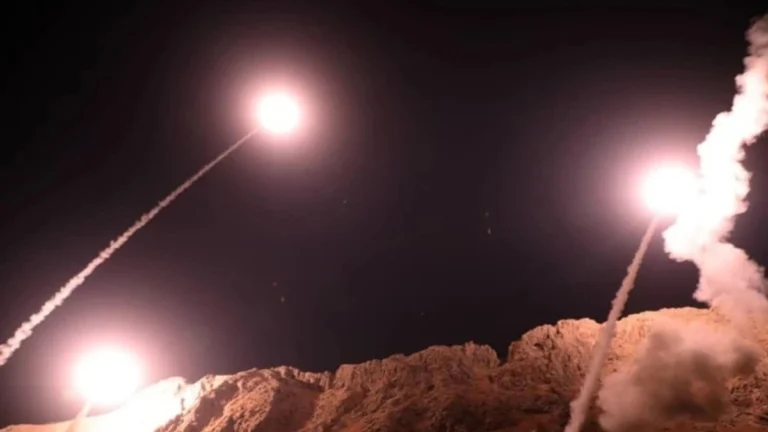
The Iranian military response U.S.-Israeli aggressions with massive attacks on oil installations and other strategic facilities linked to the United States in the region.
The subsequent near-total blockade of the Strait of Hormuz triggered an immediate and dramatic surge in international fuel prices, sending shockwaves through global energy markets. Iran has issued a stern warning, declaring that it will not permit “a single drop of oil” to exit by sea for the United States and Israel as long as the aggression against its energy infrastructure persists.
This resolute stance underscores Iran’s leverage over global oil supplies and its willingness to use it as a strategic tool in the face of ongoing military pressure, potentially creating a prolonged period of volatility and uncertainty in the global energy sector.
Author: Laura V. Mor
Source: TASS/ Agencies